
Solid Propulsion
Who We Are:
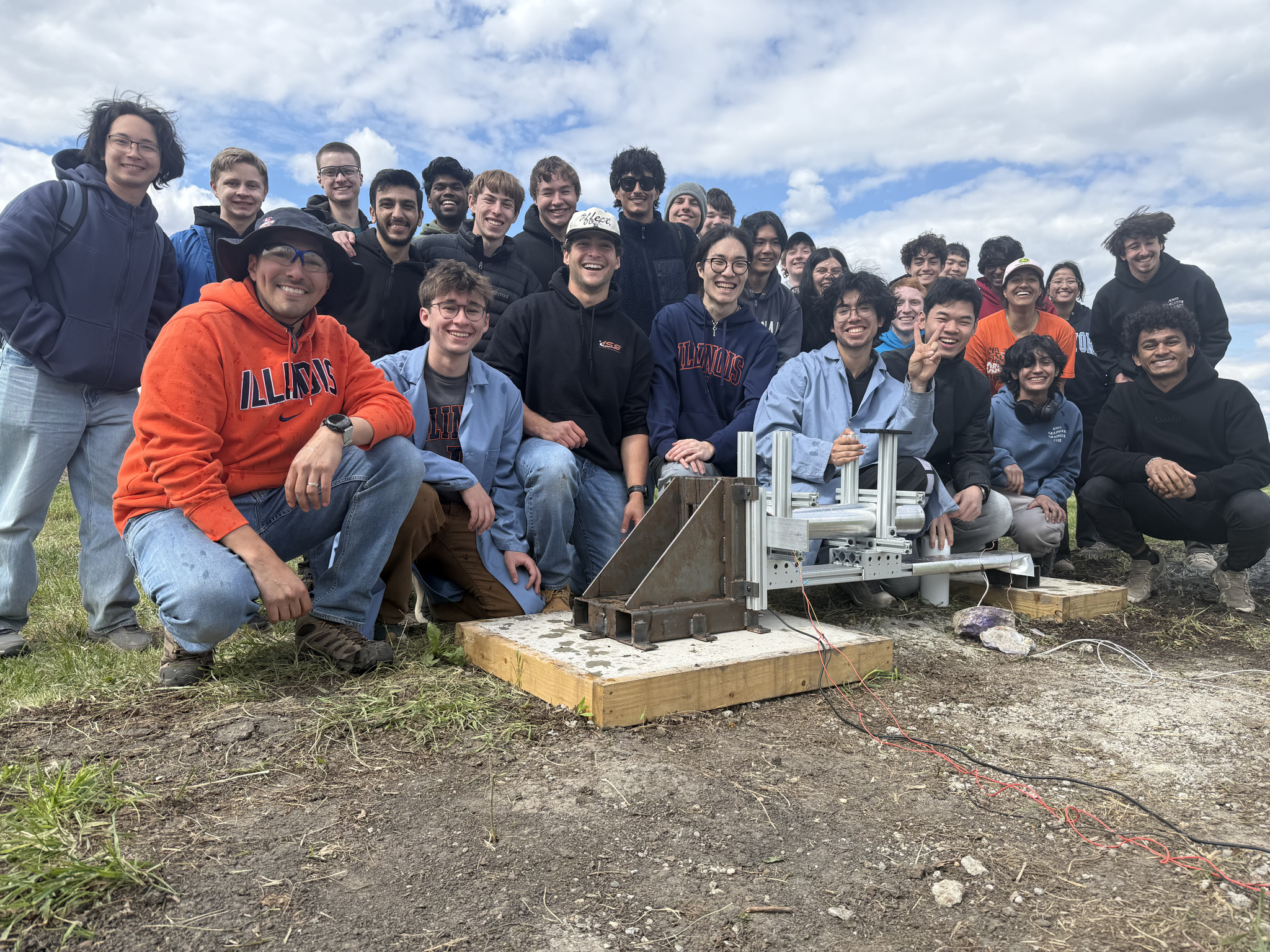
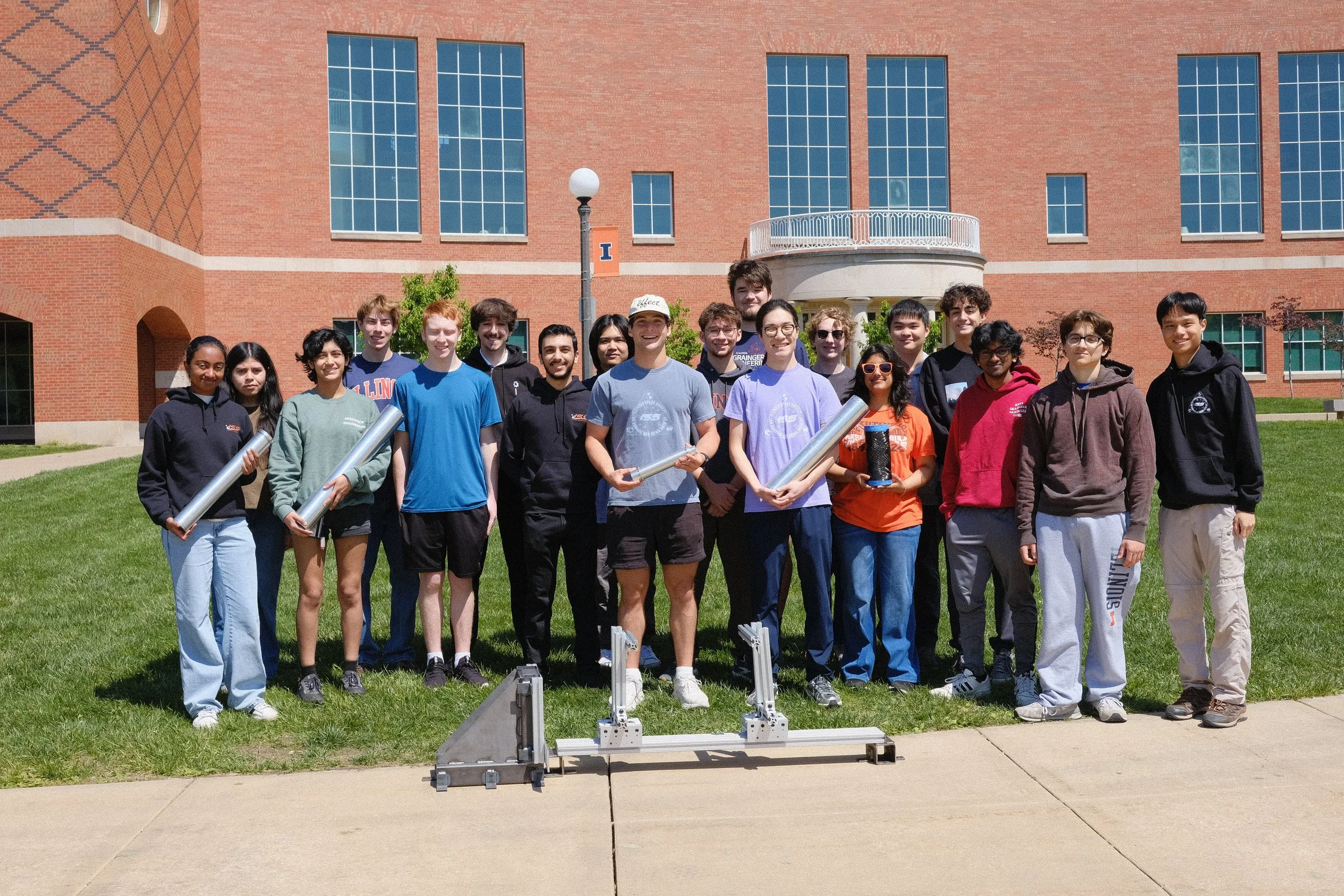
We are Solid Propulsion and we make solid propellant rocket motors! We design, simulate, and test solid rocket motors. We formed out of Spaceshot to focus on developing student researched and designed (SRAD) motors to surpass the limitations of commercial off the shelf (COTS) motors. Our goal is to produce strong, safe, and efficient motors to help send Spaceshot rockets past the Karman line. We want to enable members, regardless of prior experience or knowledge, to work hands-on with industry-standard softwares and procedures and apply the fundamental concepts they’ve learned in class to practical, powerful, and engaging projects.
There are four teams within Solid Propulsion that handle different areas of motor development: Manufacturing, Testing and Simulations, Structures, and Electronic Hardware.
What We Do:
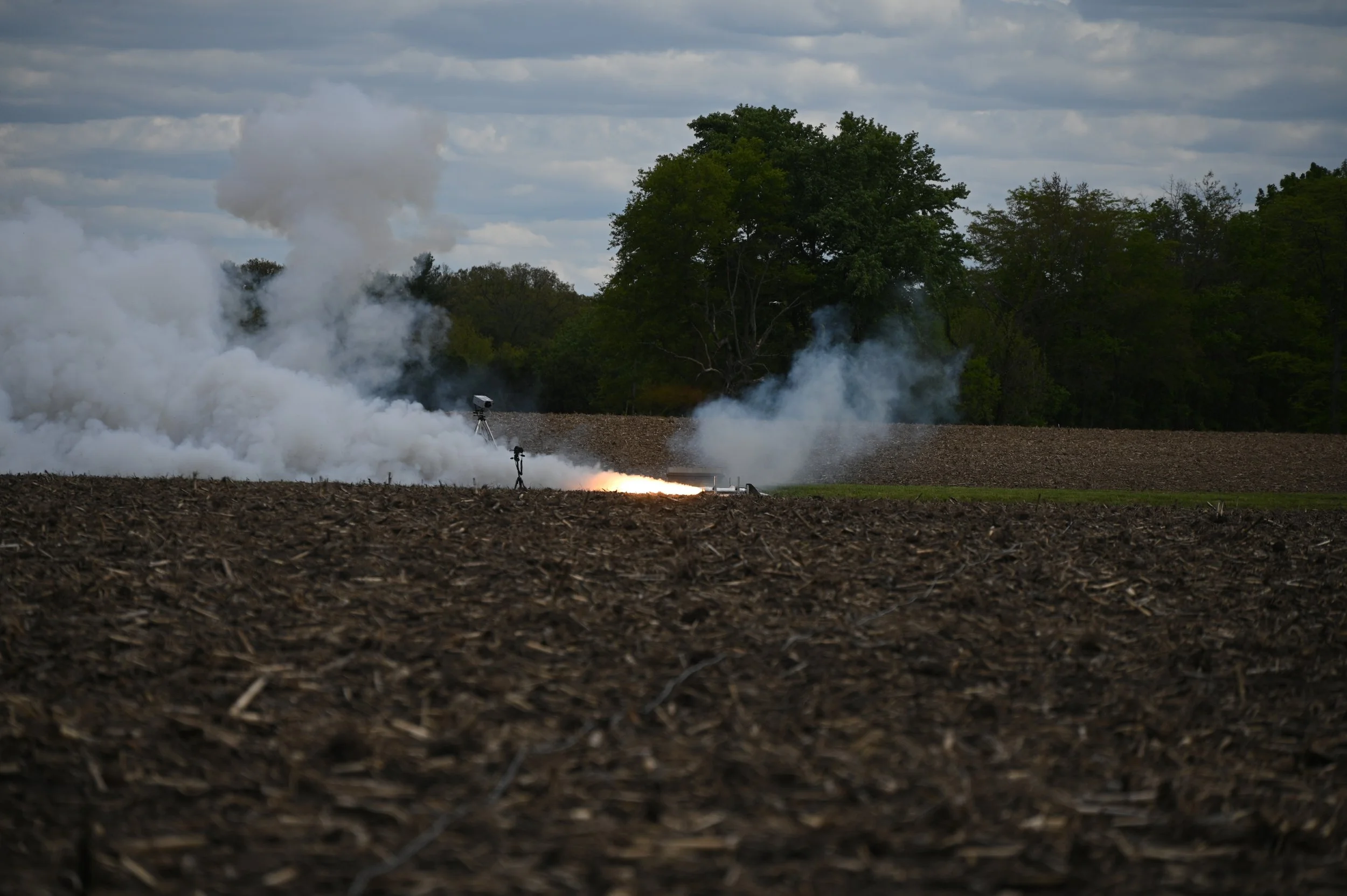
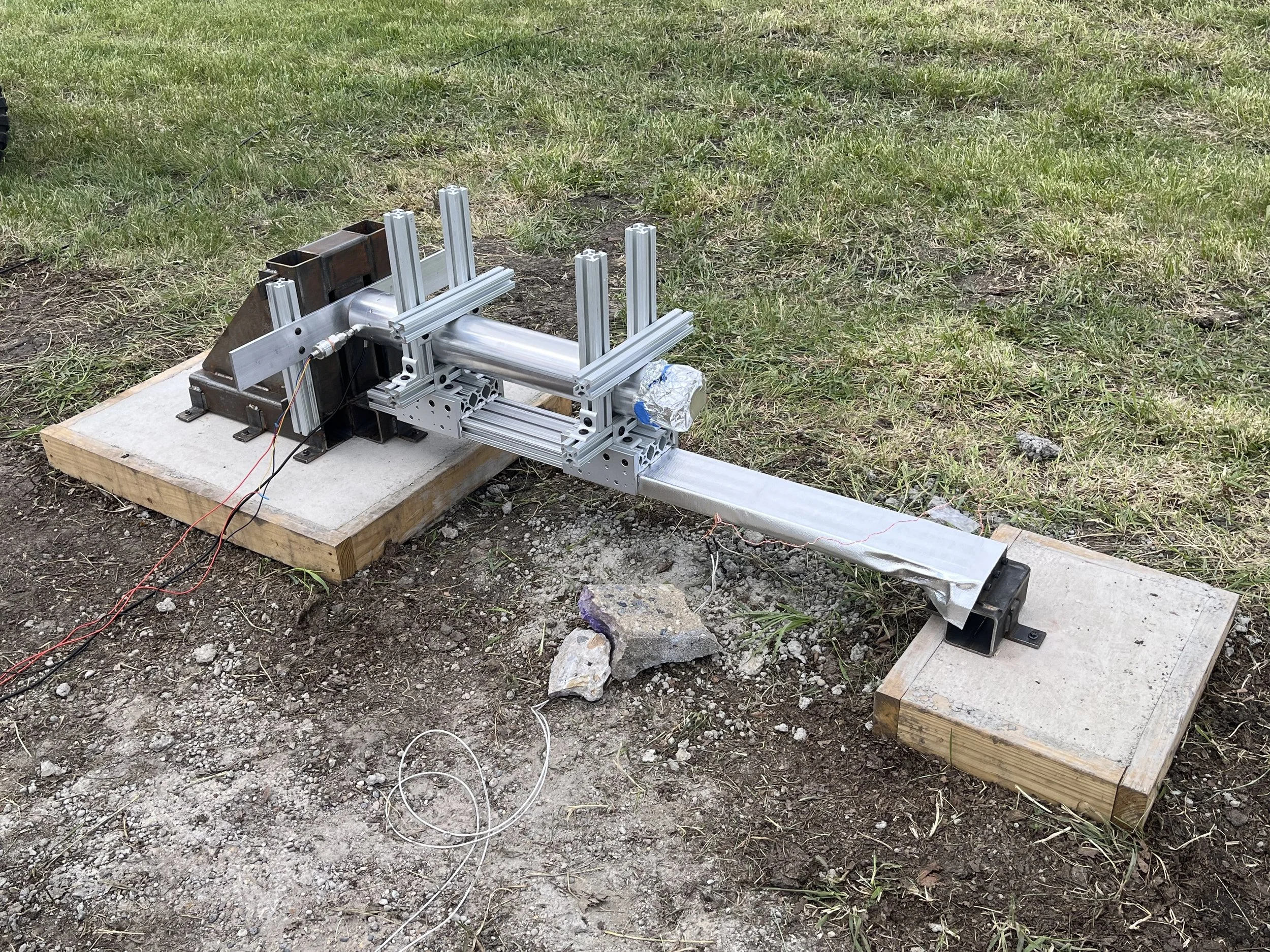
The Solid Propulsion team is responsible for the design, production, testing, and integration of solid rocket motors from the ground up. We start with propellant choice, deciding between different formulations for optimal characteristics and performance. We calculate and simulate burn characteristics and conditions, and design a motor casing around these specs. We design the closure, chamber, and nozzle to withstand the extreme pressures, temperatures, and flows of propellant combustion. We develop our own data acquisition hardware and software to integrate with our motor sensors and custom test stand. Once all the components have been designed, machined, and assembled, we load our motors with propellants, set them in the test stand, and fire.
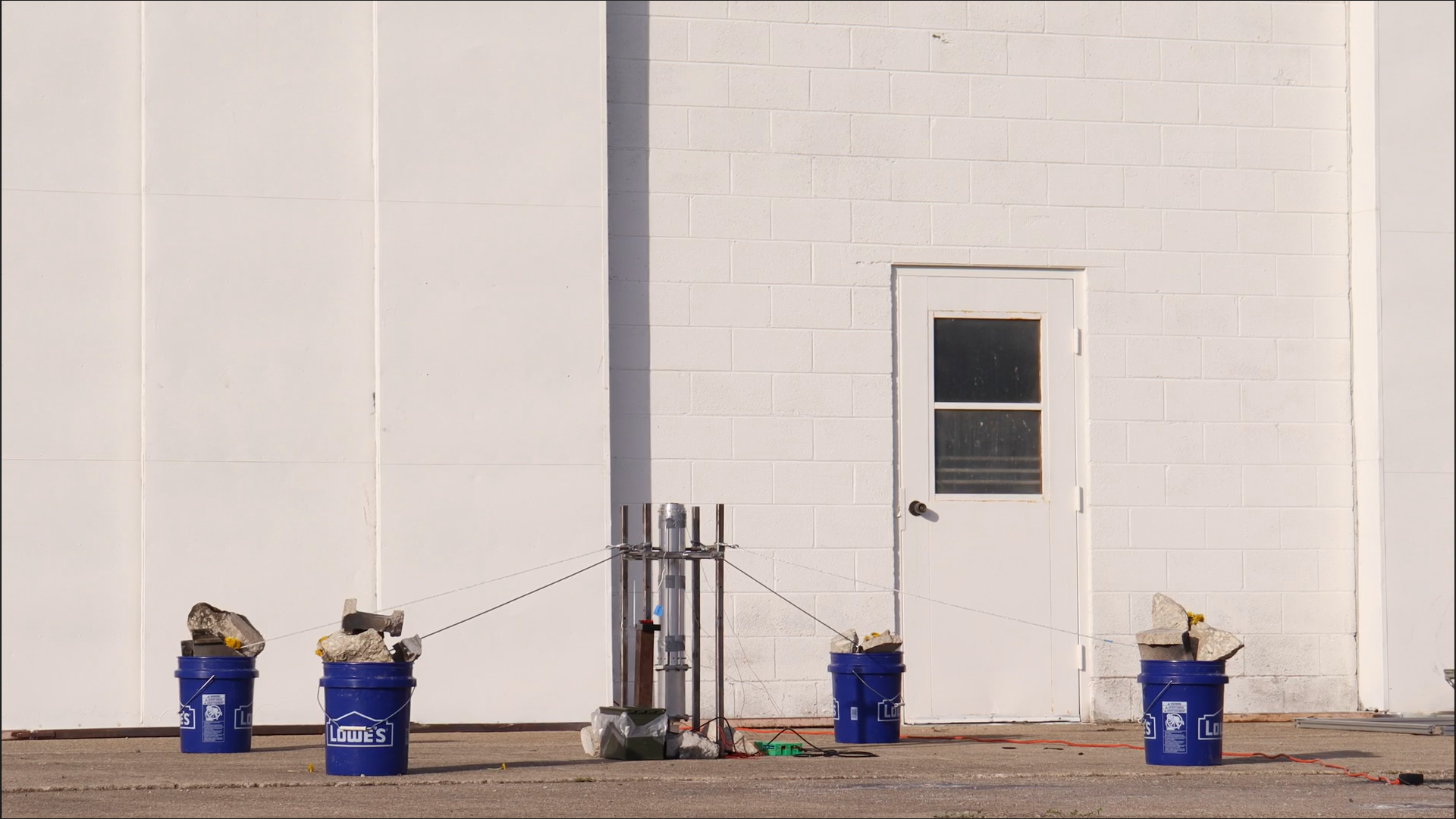
What We’ve Done:
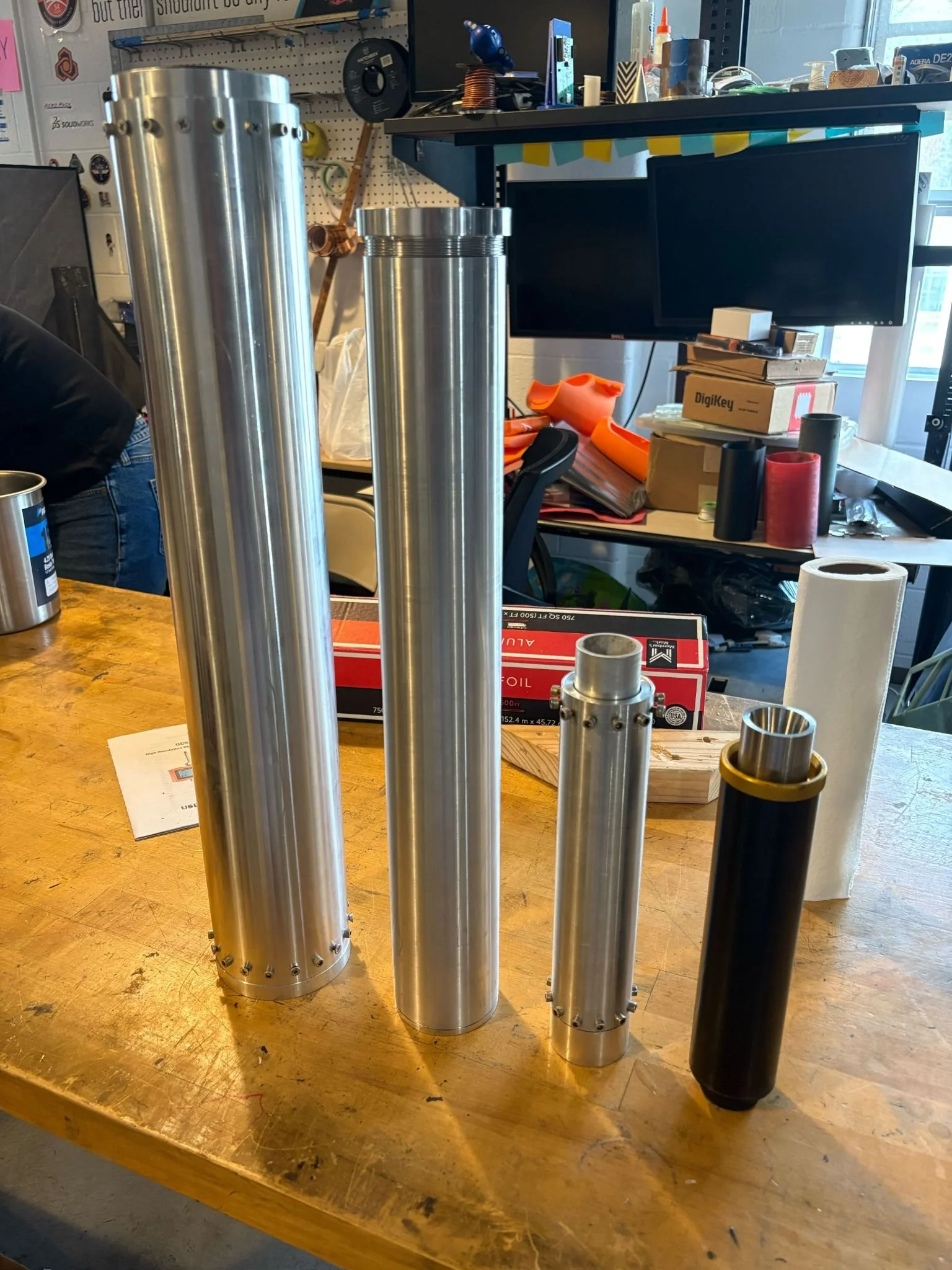
The Solid Propulsion team has produced motors with two different classes of propellants: sugar rockets and metal fuels.
We’ve developed and tested custom formulations of sugar fuels and oxidizers and produced several potassium nitrate and sorbitol (KNSB) motors at large scale in the last few years.
54 mm H-class
54 mm I-class
75 mm K-class (Clotho)
98 mm L-class (B.A.M.)
In 2025, we made the switch to aluminum fuels, specifically ammonium perchlorate composite propellant (APCP). APCP includes many different recipes and formulations that can be chosen from to optimize for total impulse, max thrust, chamber pressure, and much more. Our first APCP motor, a 98 mm M-class named Prometheus successfully hotfired in Spring 2026, establishing a strong first step into metal fuels.
The Prometheus motor was additionally our first step into horizontal test stands with our fourth student engineered test stand (SETS 4). SETS 1-3 utilized vertical loading of the motor but as our motors increased in scale, we saw the need to transition to a test stand that could handle the coming years of development and growth.
What We’re Working On:
Following the success of Prometheus, Solid is venturing further into APCP motors. We are developing two APCP motors this year.
54 mm J-class:
Since separating from Spaceshot, our motor development has largely been proof of concept to see if we can develop at the scale that Spaceshot requires, but Prometheus was the proof we’ve been looking for. This year, we’re developing a smaller APCP motor in parallel with a single stage Spaceshot launch vehicle with the goal of integration and launch of an SRAD motor for the first time in UIUC rocketry. We want to prove that not only can we develop successful motors, we can produce motors that can be loaded into rockets and launched, withstanding the forces and altitudes that you don’t see while sitting on a test stand.
75 mm N-class:
While Prometheus was large, Spaceshot needs larger. They currently utilize an N-class sustainer and O-class booster. This year, we’re developing our own N-class motor to get another step closer to providing Spaceshot-level motors, and once again break the size and strength records set by Prometheus.
We’re redesigning our Data Acquisition system (DAQ) from the ground up with a new board design, new components, and new software for more sensors with faster, more reliable data collection.
Additionally, we are continuing our carbon fiber composites research and development to work towards the production of carbon fiber motor casings, replacing the aluminum shells.
Why Should You Join Us?
Learn Fundamental Engineering Skills
Propulsion is a highly complex and sometimes literally volatile field of engineering. As such, members will have ample opportunities to learn, practice, and apply crucial engineering design skills as they lay out plans, identify problems, collaborate to address risks, and put their solutions to the test. Being involved in Solid Propulsion brings abundant exposure to applied concepts in chemistry, mechanics, aerodynamics, just to name a few. In a fully hands-on environment, students can grow and evolve their capabilities, both as engineers and as members of a team.
Create Lasting Friendships
Many long-lasting bonds are forged in the fires of adversity, and the Solid Propulsion Team offers plenty of heat. Sharing an investment in a greater mission is a surefire way to build and maintain fulfilling connections with your peers, and to make memories that will last a lifetime.
Be a Part of Something Great
The Solid Propulsion Team may not achieve all of its goals tomorrow, in a month, or even in the coming years. However, through our resilient dedication to our objectives, we will overcome any setback or obstacle with hard work and patience.
Leadership
-

Ari Frost
Solid Propulsion Lead
-

Pranit Prabhakar
Simulations + Testing Lead
-

Jack Smolen
-

Hannah Kurien
Structures Lead
-

Gautham Singaraju
Manufacturing Lead
-

Zach Cotner
Safety Officer